Why dude ranches exist
Not as nostalgia. Cattle prices fell, ranchers took in paying guests to survive, and in 1926 twenty-six of them formed an association with a railway.
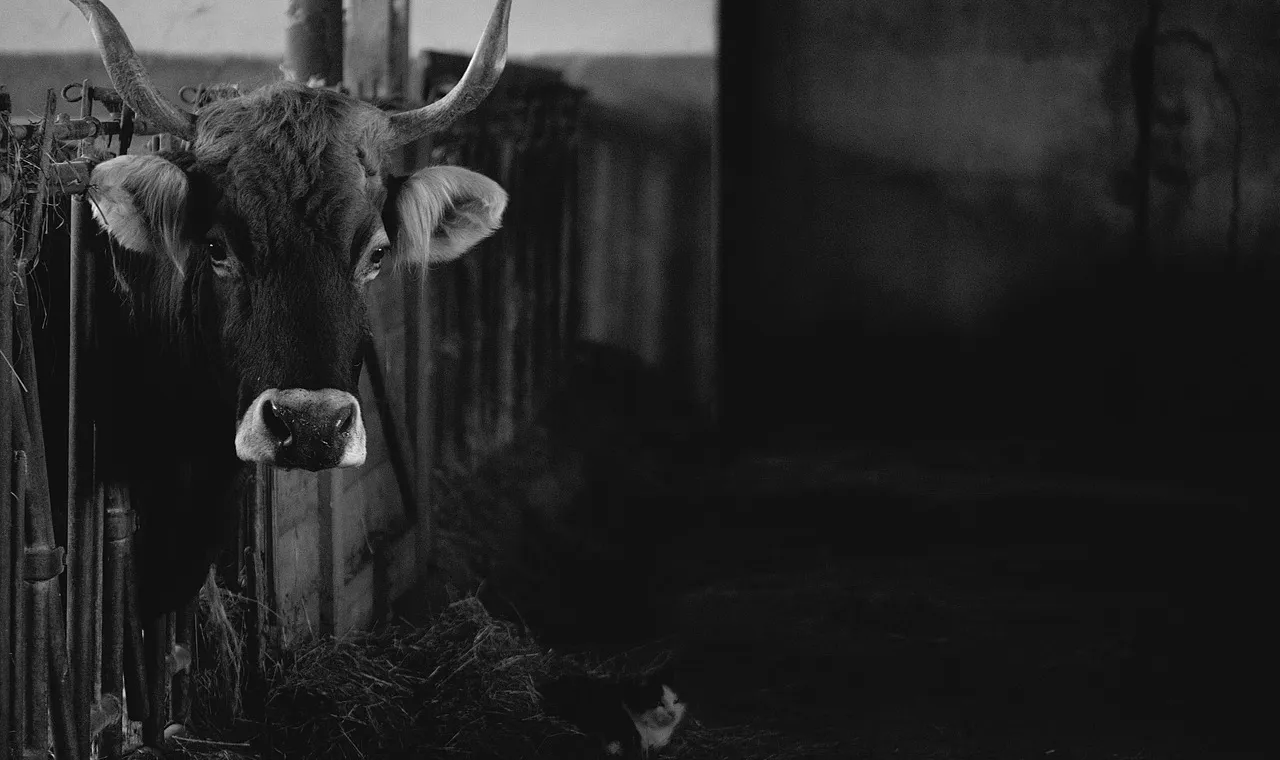
Most people who say they would like ranch life mean a guest ranch. I include myself in that, and I did not know until this week that the guest ranch was invented as a survival measure.
Cattle stopped paying, so the spare rooms filled
The Dude Ranchers Association is straightforward about the origin. The cattle industry was struggling and prices were dropping. Taking in paying guests was a way to make a hard year survivable.
That pattern runs back further than the association. Declining cattle prices in the 1880s pushed ranch owners into taking guests, and the unusually harsh winter of 1886 left at least one early operation with hospitality costs it had not planned for. When European travel became difficult during the First World War, American tourism grew and dude ranching grew with it. The railways pushed west, and by the 1920s there were more than sixty dude ranches across Wyoming and Montana.
A rancher and a railwayman
The founding is a good story because it is so plainly commercial.
Ernest Miller of the Elkhorn Ranch in Montana convinced Max Goodsill of the Northern Pacific Railway that there was a mutually beneficial relationship available: ranchers had beds and horses, the railway had a way of moving people who wanted both.
A.B. Smith arranged the meeting. It ran across 27 and 28 September 1926, at the Bozeman Hotel. Twenty-six ranches signed up as charter members that first year, and forty-seven the second.
The original objectives were not romantic in the least. Cooperation between ranchers and railroad officials. The transportation and proper care of guests. Advertising and publicity. Standardising practices. Creating an efficient sales organisation. Organised fish and game protection was added afterwards.
That is a trade association being formed, with a marketing plan, in the middle of an agricultural downturn.
What that changes about the daydream
I have written elsewhere on this blog about what a ranch actually earns, and the picture there is a business running on margins thin enough that Aaron Berger of Nebraska Extension names its central risk as the production model simply not being consistently profitable over the long term.
Put the two together and the guest ranch stops looking like a theme park and starts looking like what it is: a working operation with a second income stream, invented by people who needed one.
Which makes staying at one a slightly different proposition than I had assumed. You are not visiting a preserved version of something. You are paying into the thing that has kept a lot of these places alive for a century, and that is a more honest transaction than nostalgia.
The version I would book
The listings I keep open are not the ones with a spa. They are the ones where the word “working” appears in the title and you are expected to be useful before breakfast.
Partly that is temperament. Mostly it is that a hundred years of this history says the guests and the cattle were always meant to be the same business, and I would like to see the join.