Snaffle, curb and hackamore
Three ways of asking a horse with its head. The difference that matters is leverage, and it is not the one most people guess.
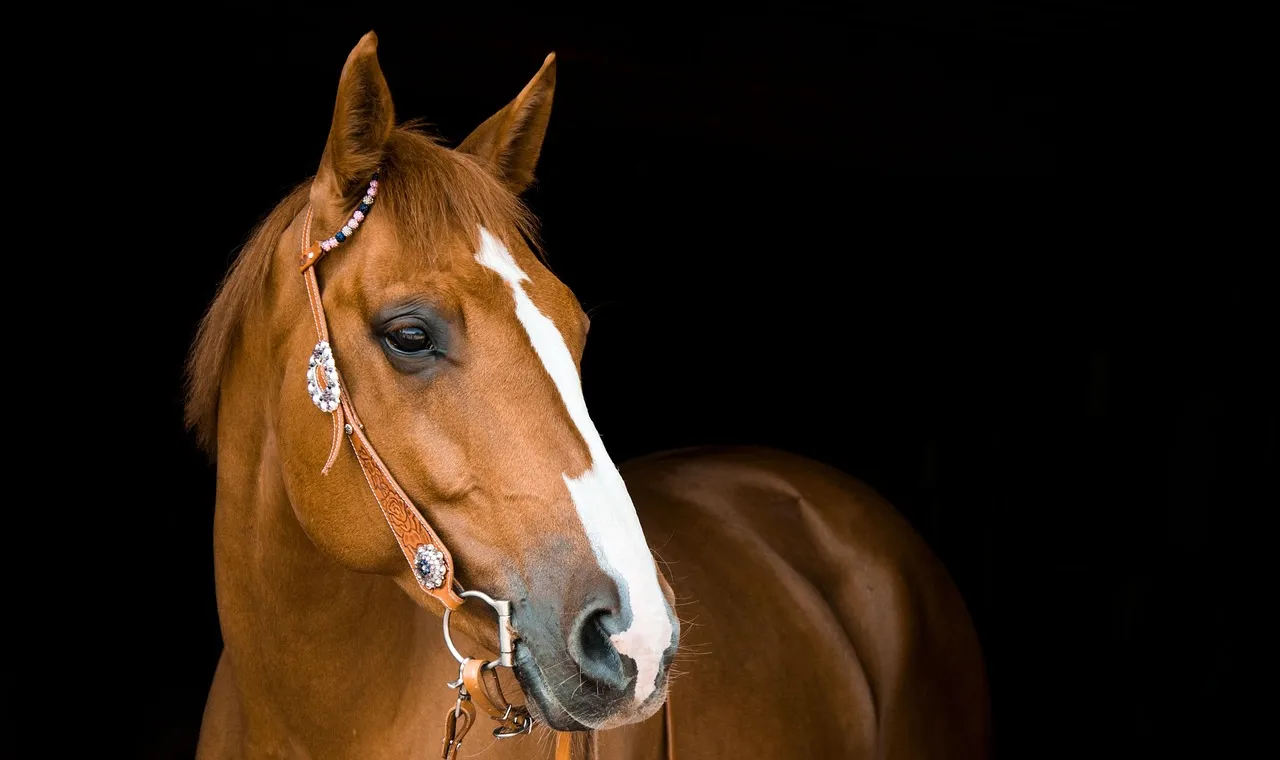
There are three common ways to ask a western horse with its head, and the difference between them is not what a shop display suggests.
It is not whether the mouthpiece is jointed. It is not whether there is a bit at all. It is leverage.
The snaffle
A snaffle has the rein ring in line with the mouthpiece. Pull with a pound of pressure and the horse feels roughly a pound. Nothing multiplies it.
AQHA’s equipment rules define one for western performance as a conventional O-ring, egg-butt or D-ring, with a ring no larger than four inches across. The inside of the ring must be free of any rein, curb or headstall attachment that would provide leverage, which tells you exactly what the definition is guarding against.
The mouthpiece is round, oval or egg-shaped, smooth, unwrapped metal, at least five sixteenths of an inch thick measured an inch in from the cheek, tapering toward the centre. Two pieces or three.
A jointed mouthpiece does not make a bit a snaffle. The rings do.
The curb
A curb bit has shanks below the mouthpiece and a strap or chain under the chin. The rein pulls the bottom of the shank, the mouthpiece rotates, and the strap comes tight under the jaw. The hand’s pound becomes several.
AQHA allows a shank up to eight and a half inches and a port up to three and a half. Nothing may protrude below the mouthpiece. Riding a curb bit without a curb strap is prohibited, which makes sense once you see the mechanism: the strap is what the leverage acts against, and without it there is rotation and nothing to stop it.
So a jointed bit with shanks is a curb, whatever the label says. This is the distinction the whole vocabulary turns on, and it is the one most often got wrong.
The hackamore
A hackamore takes the bit out of the mouth. The classic western one is built around a bosal, a stiff braided rawhide noseband hanging from a headstall, reined with a mecate, a single length of rope that also serves as a lead.
Pressure lands on the nose and under the jaw as the weight of the bosal shifts. The signal is a change in balance rather than a pull.
The rulebook is strict about construction. Round in shape, uniform smooth braided rawhide or leather, non-metal flexible core. At least five and a half inches of clear underside before any braided buttons. Absolutely no rigid material under the jaws, regardless of how padded or covered. Horsehair bosals prohibited. A complete mecate including a tie-rein required.
Then a line that matters: this rule does not refer to a mechanical hackamore. That is a different object, with shanks and a curb strap and therefore leverage, and it belongs with the curbs. Bitless does not mean mild.
Which one when
The progression is not a ladder from harsh to kind. It is a training order, and AQHA’s working cow horse rule writes it down: begin in the snaffle, progress to the hackamore, then the two-rein, then the bridle. Years rather than months.
Young horses are shown accordingly. In working cow horse, horses five and under may be shown in a snaffle or a hackamore, in their own class, rather than against finished bridle horses.
The finished horse ends up in the equipment with the most leverage and needs the least of it. That is the part that took me longest to understand. The severity of the tack and the severity of the riding are separate questions, and this sport’s answer is that a well-made horse gets more bit and less hand.